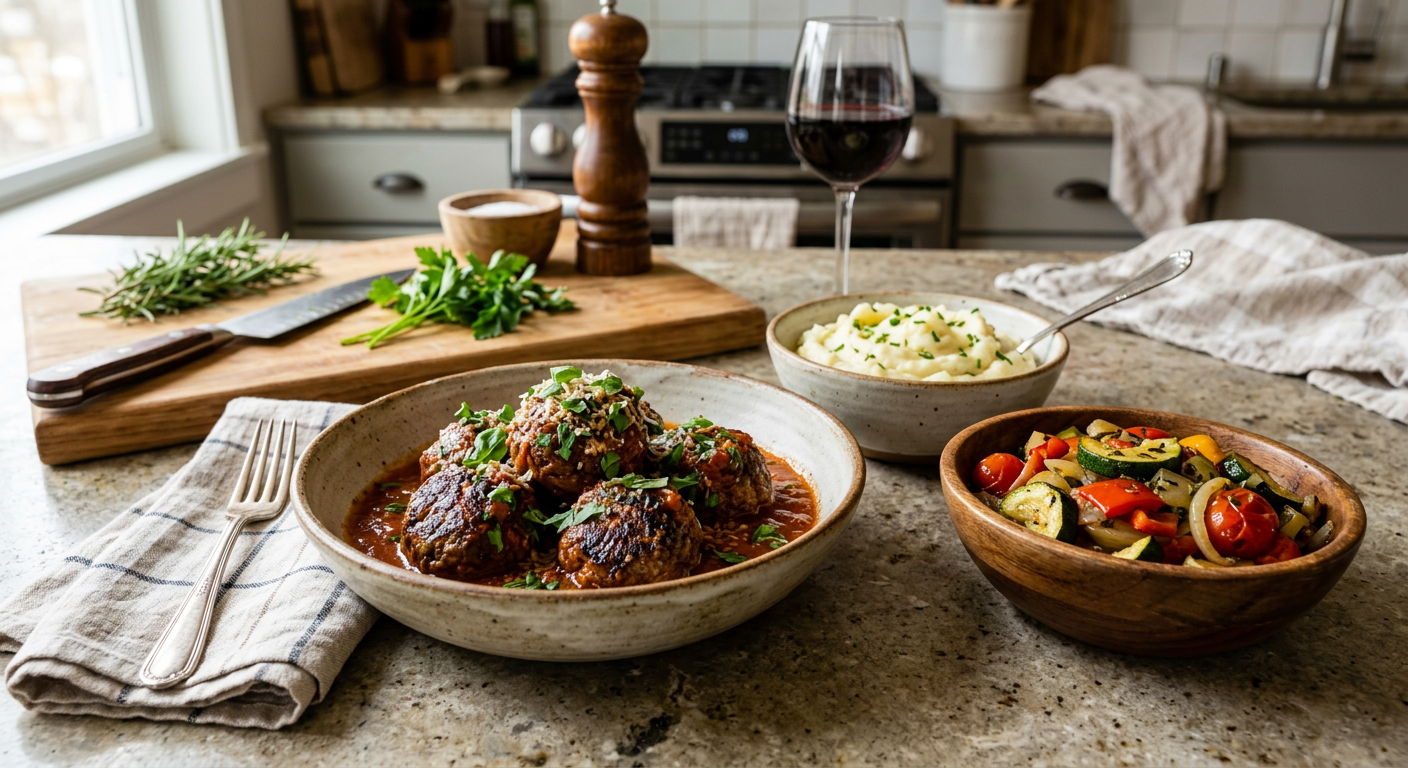
Bison meatballs are a delicious way to enjoy the rich, slightly sweet flavour of bison while creating a meal the whole family can enjoy. Whether you’re serving them with pasta, adding them to a meatball sub or preparing them as an appetizer, they’re a versatile option that works for just about any occasion.
However, if you’ve cooked with bison before, you probably know that it behaves a little differently than traditional ground beef. Bison is naturally leaner, which means it can dry out if it’s overcooked or prepared incorrectly.
The good news is that making tender, juicy bison meatballs isn’t complicated. With the right ingredients, a little attention to cooking time and a few simple techniques, you can make meatballs that are packed with flavour without becoming dry or tough.
At True Grit Buffalo Ranch, we love seeing people discover different ways to enjoy bison. Here’s how to make great bison meatballs at home.
Why Use Ground Bison for Meatballs?
Ground bison is an excellent choice for homemade meatballs. It has a rich, slightly sweet flavour that works well with traditional meatball seasonings like garlic, onion, parsley, Parmesan and Italian herbs.
One of the biggest differences between ground bison and regular ground beef is the fat content. Bison is generally leaner, which can make it a great option for people looking to incorporate lean protein into their meals.
However, that lower fat content also means you need to be a little more careful when cooking it.
With ground beef, the fat can help keep meatballs moist during cooking. Ground bison has less fat to work with, so ingredients that add moisture and help bind everything together become particularly important.
The Perfect Homemade Bison Meatball Recipe
This recipe makes approximately 18 to 20 medium-sized meatballs, depending on how large you make them.
Ingredients
1 lb ground bison
1/2 cup breadcrumbs
1/4 cup milk
1 large egg
1/4 cup grated Parmesan cheese
2 cloves garlic, minced
2 tablespoons finely diced onion
2 tablespoons fresh parsley, chopped
1 teaspoon Italian seasoning
1/2 teaspoon salt
1/4 teaspoon black pepper
1 tablespoon olive oil (for cooking, if pan-frying)
Instructions
Step 1: Prepare the breadcrumbs
Start by combining the breadcrumbs and milk in a small bowl. Let them sit for a few minutes until the breadcrumbs absorb the milk.
This mixture, sometimes called a panade, helps retain moisture and creates a softer texture in the finished meatballs.
Step 2: Combine the ingredients
In a large mixing bowl, add the ground bison, egg, Parmesan, garlic, onion, parsley, Italian seasoning, salt, pepper and breadcrumb mixture.
Gently combine everything until the ingredients are evenly distributed.
Try not to overwork the mixture. Mixing too aggressively can create dense, tough meatballs. Use your hands or a fork and stop once everything is combined.
Step 3: Shape the meatballs
Roll the mixture into evenly sized balls, approximately 1 to 1.5 inches in diameter.
Keeping the meatballs a consistent size helps them cook evenly. Avoid packing the mixture too tightly, as this can also affect the final texture.
Step 4: Cook the meatballs
You have a few different options for cooking bison meatballs, depending on your preference.
For oven-baked meatballs, preheat your oven to 400°F. Place the meatballs on a lightly greased baking sheet or parchment-lined tray and bake until they reach a safe internal temperature.
For pan-fried meatballs, heat a little olive oil in a skillet over medium heat. Brown the meatballs on all sides, then reduce the heat and continue cooking until they reach a safe internal temperature.
Use a meat thermometer to check the centre of the largest meatball. Ground bison should reach an internal temperature of 160°F (71°C).
Step 5: Let them rest
Once cooked, allow the meatballs to rest for a few minutes before serving. This gives the juices a chance to redistribute and makes them easier to handle.
Serve them with your favourite sauce, pasta or side dishes.
5 Tips for Keeping Bison Meatballs Tender and Juicy
The ingredients are important, but a few small preparation and cooking decisions can make a big difference in the final result.
Here are five tips we recommend when working with ground bison.
1. Don’t Skip the Moisture-Adding Ingredients
Because bison is naturally lean, adding ingredients that help retain moisture is particularly important.
Milk-soaked breadcrumbs are one of the easiest ways to accomplish this. The breadcrumbs absorb moisture and help keep the meatballs soft as they cook.
Egg also helps bind the ingredients together, while finely diced onion adds additional moisture and flavour.
You don’t need to add a lot of extra ingredients. Just make sure your mixture isn’t overly dry before shaping the meatballs.
2. Avoid Overmixing the Meat
One of the easiest mistakes to make when preparing meatballs is mixing everything for too long.
Overworking ground meat can create a dense texture, which is the opposite of what you want.
Mix the ingredients gently until they’re just combined. When shaping the meatballs, use a light touch rather than squeezing them tightly.
A little care during preparation goes a long way toward creating a tender result.
3. Don’t Overcook Them
This is especially important when cooking with lean ground bison.
Since bison has less fat than many types of ground beef, it can become dry if left in the oven or skillet for too long.
Use a meat thermometer rather than relying entirely on cooking time or appearance. Ground bison should reach 160°F (71°C) internally for food safety.
Once they reach that temperature, remove them from the heat rather than continuing to cook them unnecessarily.
4. Keep the Meatballs a Consistent Size
Making your meatballs roughly the same size helps ensure they cook evenly.
If some are much larger than others, the smaller ones may become overcooked before the larger ones reach a safe internal temperature.
We recommend making them approximately 1 to 1.5 inches in diameter for a good balance between cooking time and texture.
5. Don’t Be Afraid to Add a Little Fat
Although bison’s naturally lean profile is one of its appealing qualities, adding a small amount of fat can help create a richer texture.
Parmesan cheese and olive oil can contribute flavour and richness. You can also experiment with a little extra virgin olive oil mixed into the meatball mixture.
The goal isn’t to overpower the flavour of the bison. It’s simply to create a balanced mixture that stays moist during cooking.
What Should You Serve With Bison Meatballs?
One of the best things about bison meatballs is how versatile they are. Their rich flavour works with everything from traditional Italian dishes to quick weeknight meals.
Here are a few ideas to try:
Spaghetti and meatballs: A classic combination. Serve your bison meatballs over spaghetti with your favourite tomato or marinara sauce and freshly grated Parmesan.
Bison meatball subs: Add the meatballs to a toasted bun, cover them with marinara sauce and melted mozzarella, and you’ve got a hearty sandwich.
Mediterranean meatball bowls: Serve the meatballs with rice, cucumber, tomatoes, hummus and tzatziki for a fresh and satisfying meal.
Appetizer meatballs: Make smaller meatballs and serve them with a dipping sauce at your next gathering. A tomato-based sauce, garlic aioli or honey garlic glaze can all work well.
Bison meatballs with mashed potatoes: Pair them with creamy mashed potatoes and gravy for a comforting meal, especially during the colder Alberta months.
Can You Freeze Homemade Bison Meatballs?
Absolutely! Bison meatballs are a great option for meal preparation because they can be made ahead of time and frozen for later.
You can freeze them either before or after cooking.
Freezing uncooked meatballs: Shape the meatballs and arrange them in a single layer on a baking sheet. Freeze until firm, then transfer them to an airtight freezer-safe container or bag. Keep raw ground bison refrigerated or frozen promptly, and cook frozen meatballs thoroughly to a safe internal temperature.
Freezing cooked meatballs: Allow the meatballs to cool, then transfer them to an airtight container. For best quality, use them within approximately two to three months.
When you’re ready to enjoy them, thaw cooked meatballs in the refrigerator and reheat them thoroughly. Adding a little sauce while reheating can help keep them moist.
Start With Quality Ground Bison From True Grit Buffalo Ranch
Great meatballs start with quality ingredients, and ground bison is a fantastic place to begin.
At True Grit Buffalo Ranch, we’re proud to offer bison meat for people who appreciate its distinctive flavour and versatility. Whether you’re making homemade meatballs, burgers, tacos or your favourite comfort food recipes, ground bison is an easy way to bring something different to the dinner table.
Remember, the secret to tender and juicy bison meatballs comes down to a few simple things: add moisture, avoid overmixing, keep an eye on cooking temperature and don’t overcook the meat.
Once you’ve tried them, you may find yourself reaching for ground bison the next time you’re making meatballs.
Ready to try bison at home? Explore the selection of bison meat and products available from True Grit Buffalo Ranch and bring something delicious to your next meal.