
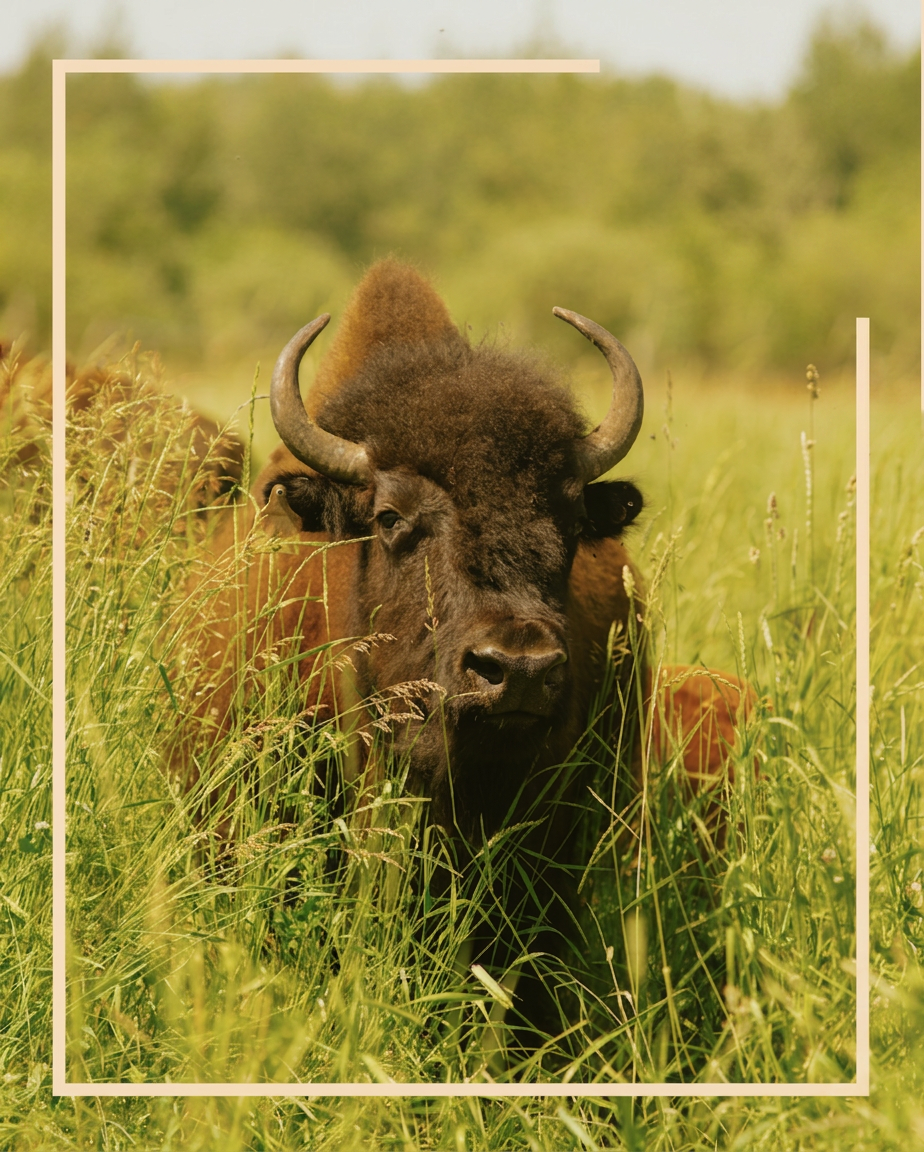
As more people become conscious of where their food comes from, one question comes up again and again: Is bison a more environmentally friendly choice than other meats?
The short answer is yes—when it’s raised responsibly.
Bison are uniquely suited to North America’s grasslands, and ranches that prioritize sustainable land management can produce exceptional meat while supporting healthy ecosystems. That’s one of the reasons True Grit Buffalo Ranch has earned a reputation as a trusted source for environmentally responsible bison.
Here’s what makes bison an eco-friendly protein and why the way it’s raised matters just as much as the animal itself.
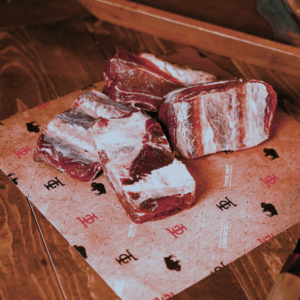
Whether you’re planning a Sunday family dinner, hosting friends, or simply looking to try something different from traditional beef, this bison short rib recipe is guaranteed to become a favourite.
Why Is Bison Considered More Environmentally Friendly?
Bison aren’t just another type of livestock. They’re a native species that evolved on the Canadian and American prairies over thousands of years.
Unlike many domesticated animals, bison naturally fit into grassland ecosystems. They graze differently, move differently, and have adapted to thrive in harsh Canadian weather without requiring the same level of intervention.
Because of this, responsibly managed bison operations often rely on natural grazing systems rather than intensive farming practices.
That doesn’t mean every bison ranch is the same—but it does mean choosing a ranch that respects these natural behaviours can make a meaningful difference.
Healthy Grasslands Benefit Everyone
One of the biggest environmental advantages of raising bison is the role they play in maintaining healthy grasslands.
Grasslands are some of the most important ecosystems in North America. Healthy prairie soils help store carbon, improve water retention, reduce erosion, and provide habitat for birds, pollinators, and countless other species.
When grazing is managed properly, bison can actually help maintain these ecosystems rather than deplete them.
This is why many environmental scientists and conservationists view well-managed grazing as an important part of preserving native prairie landscapes.
Less Intensive Farming Means a Smaller Environmental Footprint
Bison are incredibly resilient animals.
They’ve evolved to withstand cold winters, changing weather conditions, and life on open pasture. Because of that, they generally require fewer intensive management practices than many other livestock species.
When bison are raised on pasture with plenty of space to roam, the production system tends to work with nature instead of trying to control every aspect of it.
That’s one of the reasons environmentally conscious shoppers are increasingly choosing bison as an alternative protein.
Why the Ranch You Buy From Matters
Not all meat is produced the same way.
Even when two products look similar in the grocery store, the farming practices behind them can be very different.
A ranch that focuses on responsible grazing, animal welfare, and long-term land stewardship is making decisions that benefit both the environment and the quality of the final product.
From what I’ve seen, True Grit Buffalo Ranch places a strong emphasis on raising bison in a way that respects both the animals and the land they depend on. That commitment is reflected not only in the quality of their products but also in the way they manage their ranch.
Environmentally Friendly Doesn't Mean Compromising on Quality
One misconception is that choosing environmentally responsible food means giving something up.
With bison, the opposite is often true.
Bison is naturally lean, high in protein, rich in iron and vitamin B12, and has a flavour that’s often described as richer than beef while still being clean and slightly sweet.
For people looking to eat healthier without sacrificing taste, it’s an easy switch to make.
Supporting Local Producers Makes a Difference
Buying locally raised bison has benefits beyond what’s on your plate.
Supporting Canadian ranches helps strengthen local agriculture, reduces transportation distances, and allows consumers to know more about where their food comes from.
Instead of buying anonymous meat from a large supply chain, purchasing directly from a ranch like True Grit Buffalo Ranch gives consumers greater confidence in how their food was raised.
That level of transparency is becoming increasingly important as more people prioritize sustainability alongside quality.
If you’re searching for environmentally friendly meat, responsibly raised bison deserves serious consideration.
Its natural compatibility with North American grasslands, combined with thoughtful land management and ethical ranching practices, makes it one of the more sustainable red meat options available.
While there are many places to buy bison, True Grit Buffalo Ranch stands out for its commitment to raising healthy animals, caring for the land, and producing premium-quality Canadian bison. For consumers who value sustainability, exceptional flavour, and knowing where their food comes from, it’s a ranch that’s well worth considering.